
How AI Agents Reduce Manual Work in Video Editing
See how AI agents cut repetitive video editing work, from take selection to cleanup, while you keep full control of the timeline.
 Dharmik Jagodana
Read article
Explore tips, techniques, and inspiration for visual content creation. Learn how to automate your image generation workflow.
Subscribe to updates: Follow on X · RSS feed
See how AI agents cut repetitive video editing work, from take selection to cleanup, while you keep full control of the timeline.
Dharmik Jagodana
Learn how AI image to video tools animate still photos with motion, camera moves and effects, plus tips to get smooth, usable clips.
Dharmik Jagodana
Learn how MCP video editing works and how to connect Claude to a video editor, step by step, so you can edit with plain-language prompts.
Dharmik Jagodana
Learn how prompt to video works, how to write prompts that give you better scenes, and how to polish an AI draft into a finished video.
Dharmik Jagodana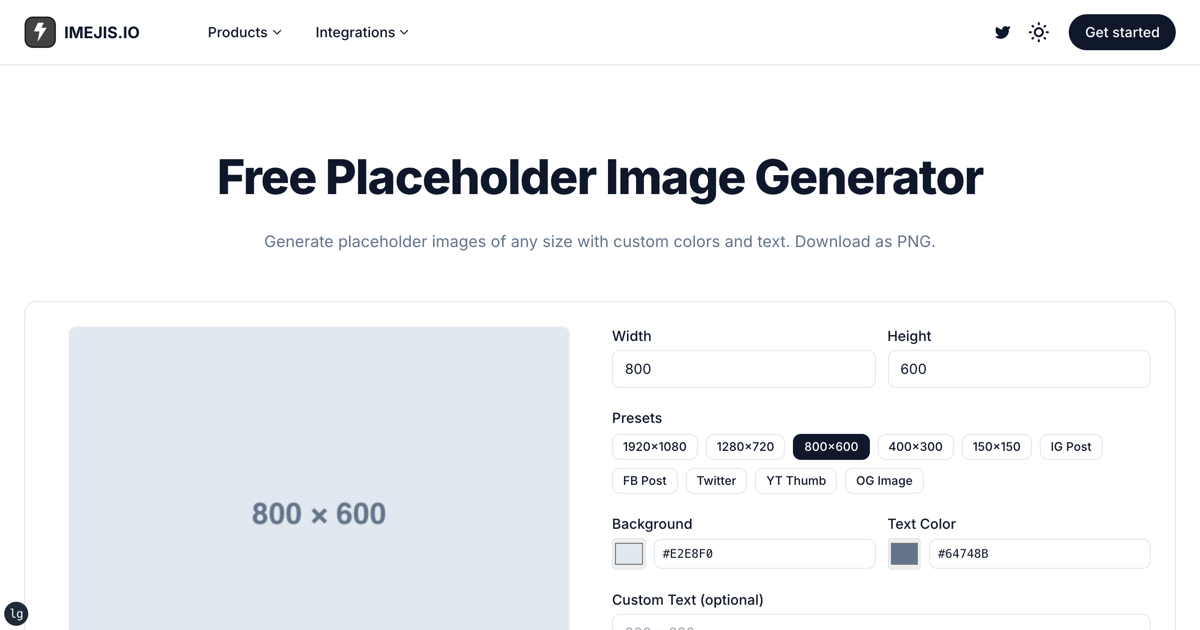
A dynamic placeholder image api gives you branded mockups from one URL. It will not replace placehold.co, and here are the two measured reasons why.
 imejis
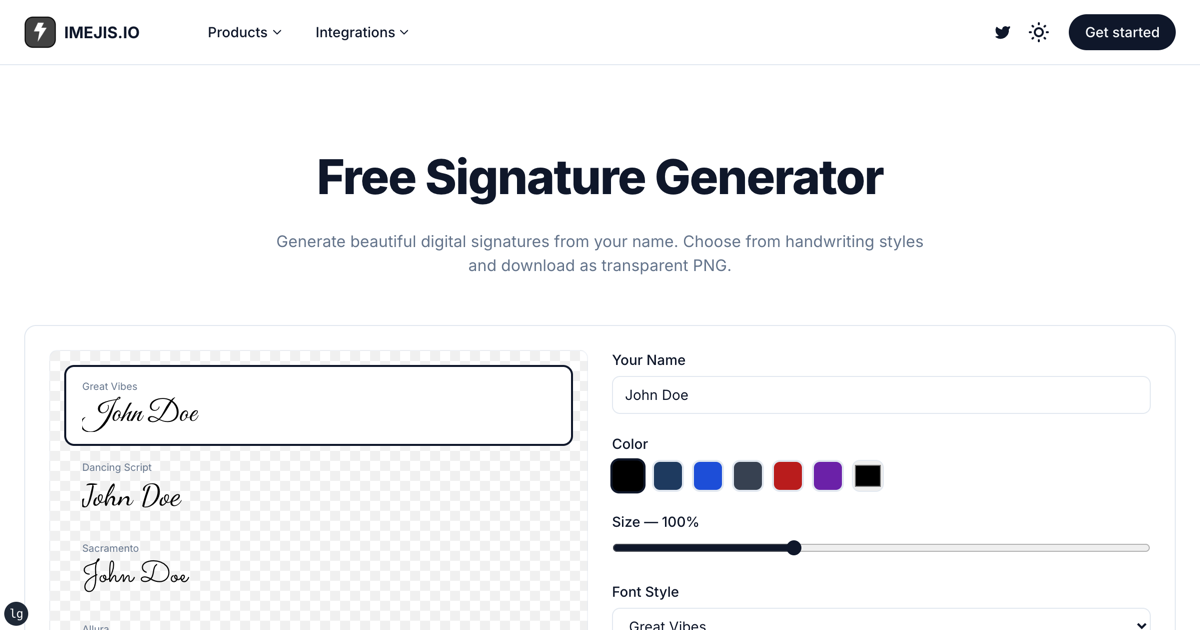
A signature generator makes one signature. An API puts a different one on every certificate, offer letter and receipt you issue, from the same template.
imejis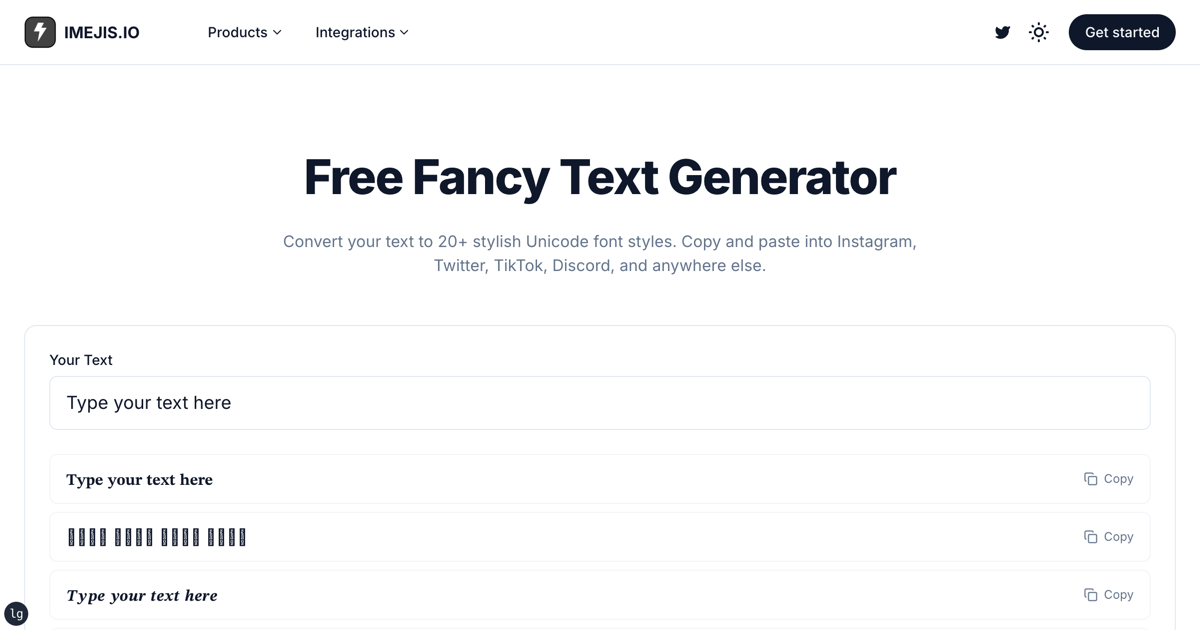
Fancy text generators swap letters for Unicode symbols, which breaks search and screen readers. What they really produce, and what to use instead.
imejisConnect Google Gemini to the imejis MCP server and render images from your templates: OG images, QR codes, charts and certificates. One OAuth sign-in, no keys.
imejisA personalized print API turns a list of people into a stack of files. The four mechanics every per-recipient print job shares, and which one you actually need.
imejis
Automate product images, promo banners, and social graphics for your e-commerce store with image generation APIs. Cut design time from hours to seconds.
imejis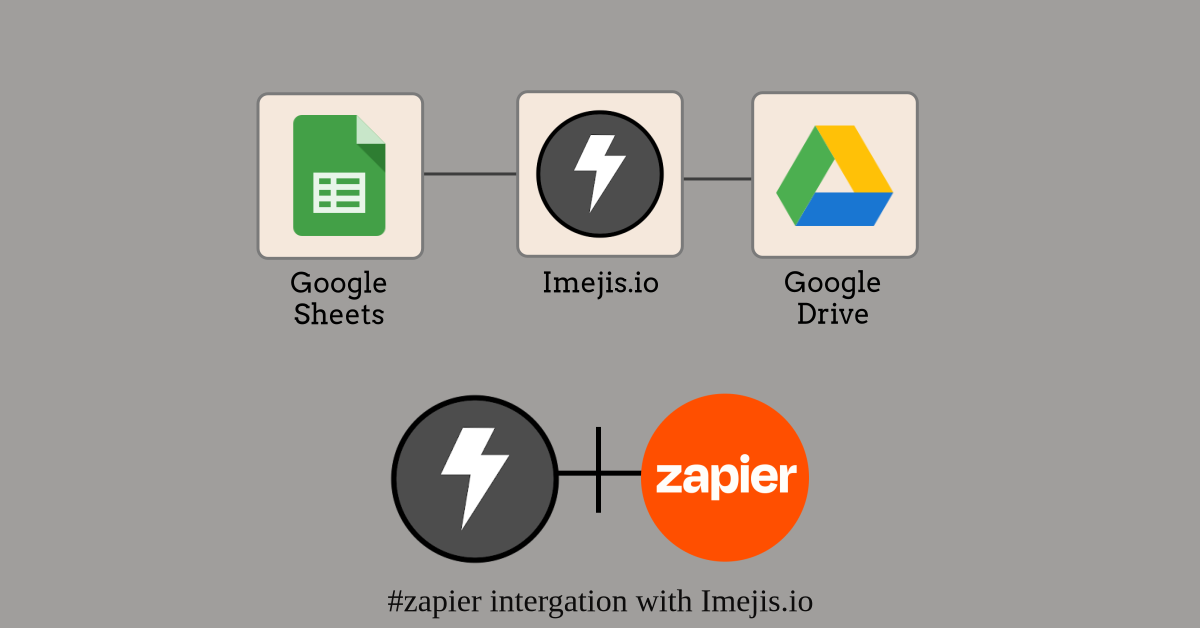
Automate image generation from Google Sheets rows with imejis and Zapier. Generated images save directly to Google Drive. Step-by-step tutorial.
imejisA corporate holiday card API renders one card per client from your list. How to proof 5,000 rows before spending 5,000 renders, and the print and email split.
imejisPersonalized book cover API: set a child's name into the cover art, not on top of it. Custom fonts, print-ready PDF, and the reprint cost that sets margin.
imejisImage API webhook or a direct response? What async really costs in code, the failure modes each adds, and when a callback is genuinely the right design.
imejisMigrate from Bannerbear to imejis: rebuild the template, delete the webhook handler, and see what the call really looks like. Including what doesn't port.
imejisA podcast cover art API renders per-episode artwork from a title and number. Square sizing, the artwork limits that matter, and the cost per season.
imejisA wedding invitation API renders a personalized card per guest: names that resize to fit, an RSVP QR code, and a print-ready PDF from the same design.
imejisA photo collage API fills fixed slots from a list of image URLs. Before-and-after pairs, listing grids, and why a fixed canvas is the feature. Start free.
imejisScreenshot generator API for changelogs: drop a raw screenshot into a fixed frame, control the crop with object-fit, and ship release images at scale.
imejisLinkedIn carousel generator API: slide roles, a ZIP of PNGs per export, and one render per slide. Driving a deck from a spreadsheet, honestly. Start free.
imejisImage API delivery, decided properly: raw bytes, a permanent URL, or a link that expires. Response shapes, caching behaviour and the 7-day ceiling. Start free.
imejisImage template layout API basics: how rect, circle, line and shape hold a design together. Layer order, safe areas and overridable SVG paths. Start free.
imejisCertificate generator API for course completions, ID cards, and signature blocks. The PDF route, expiring links, and where APITemplate wins. Start free.
imejisGitHub stats card API: turn a README badge into a live render URL. How Camo caching works and what a card really costs you. Start free.
imejisWe use cookies to run the site and, depending on your region and your choice here, for analytics and marketing. See our Cookie Policy. You can change this any time from “Cookie settings” in the footer.